LNG carriers
Start on the transatlantic LNG run
The reactor matches the turbines some of the fleet already run. No bunker fuel to buy, and the boil-off gas they burn today becomes cargo to sell.

Nuclear power for the world's cargo fleet
80%
Every one of those ships is rationed by fuel: what it costs, where to get it, and how fast you can afford to go.
Speed
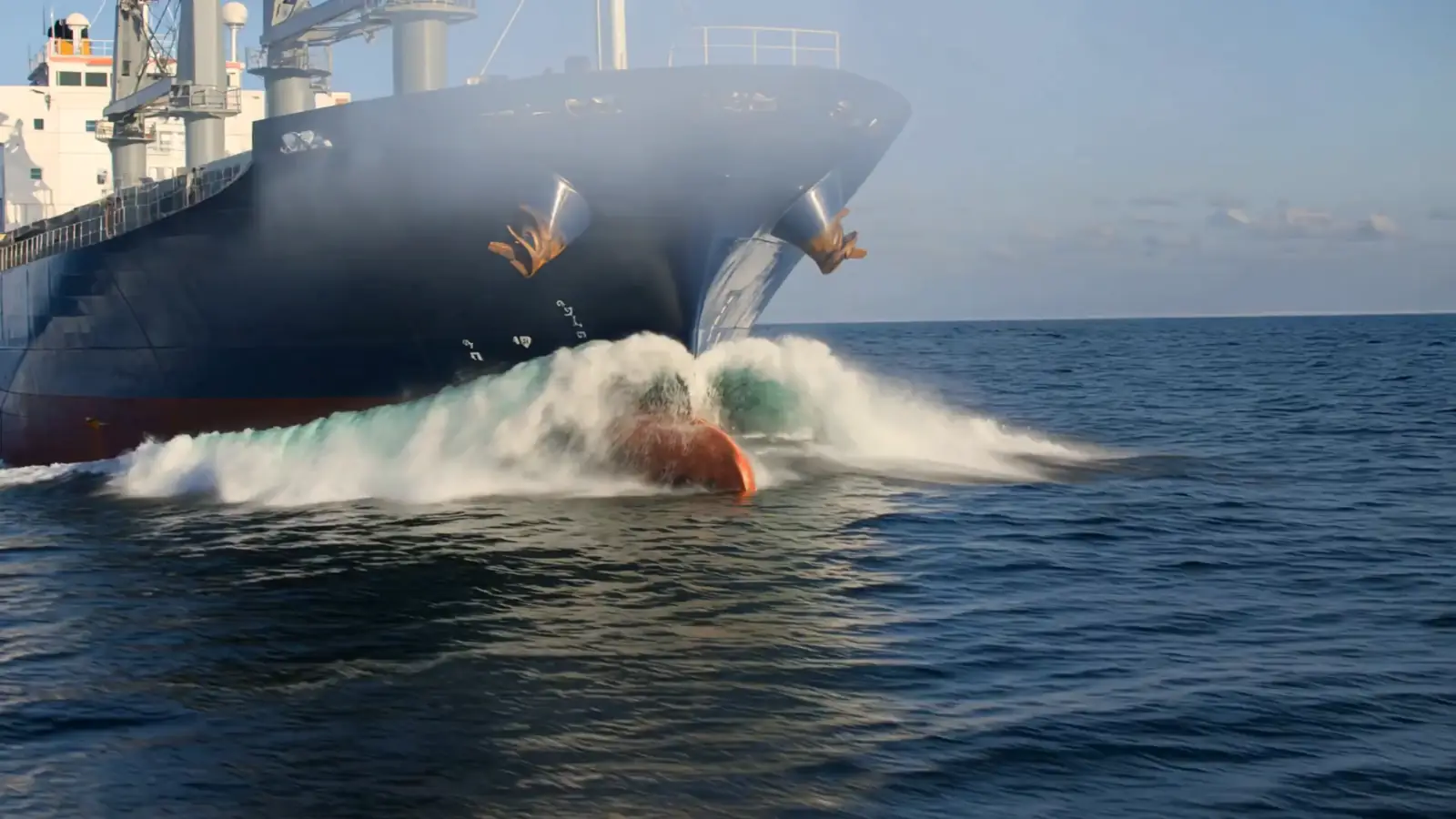
Fuel sets the speed limit today. Fuel consumption rises with roughly the square of speed, so ships slow down to save fuel.
Capacity
The fuel a ship carries is weight and space it can't sell. A reactor's fuel takes up a fraction of that space.
Cost
Fuel is roughly half of a voyage's running cost today and follows the oil and gas market. Nuclear fuel is cheaper per-unit with less volatility for more predictable pricing.
Emissions
Shipping accounts for close to 3% of global greenhouse gas emissions. A reactor produces none at sea.
Technology
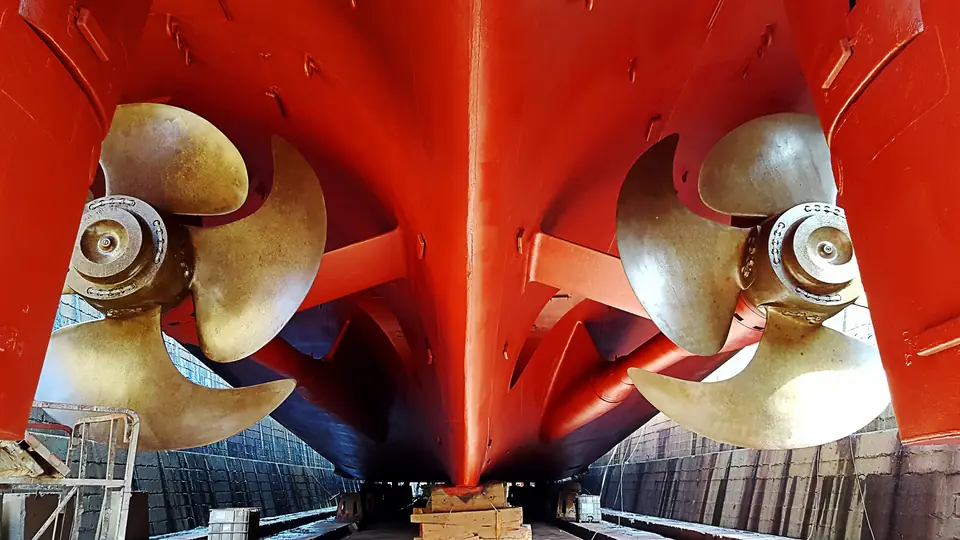
Two reactors and one heat exchanger, optimized for life at sea and coupled to a modern steam turbine.
Motion-rated
Hardened for pitch, roll, and heave.
Corrosion-hardened
Built to last the life of the ship.
Safe by design
Ceramic layers seal every pebble. Heat leaves the core on its own, with no pump to fail.

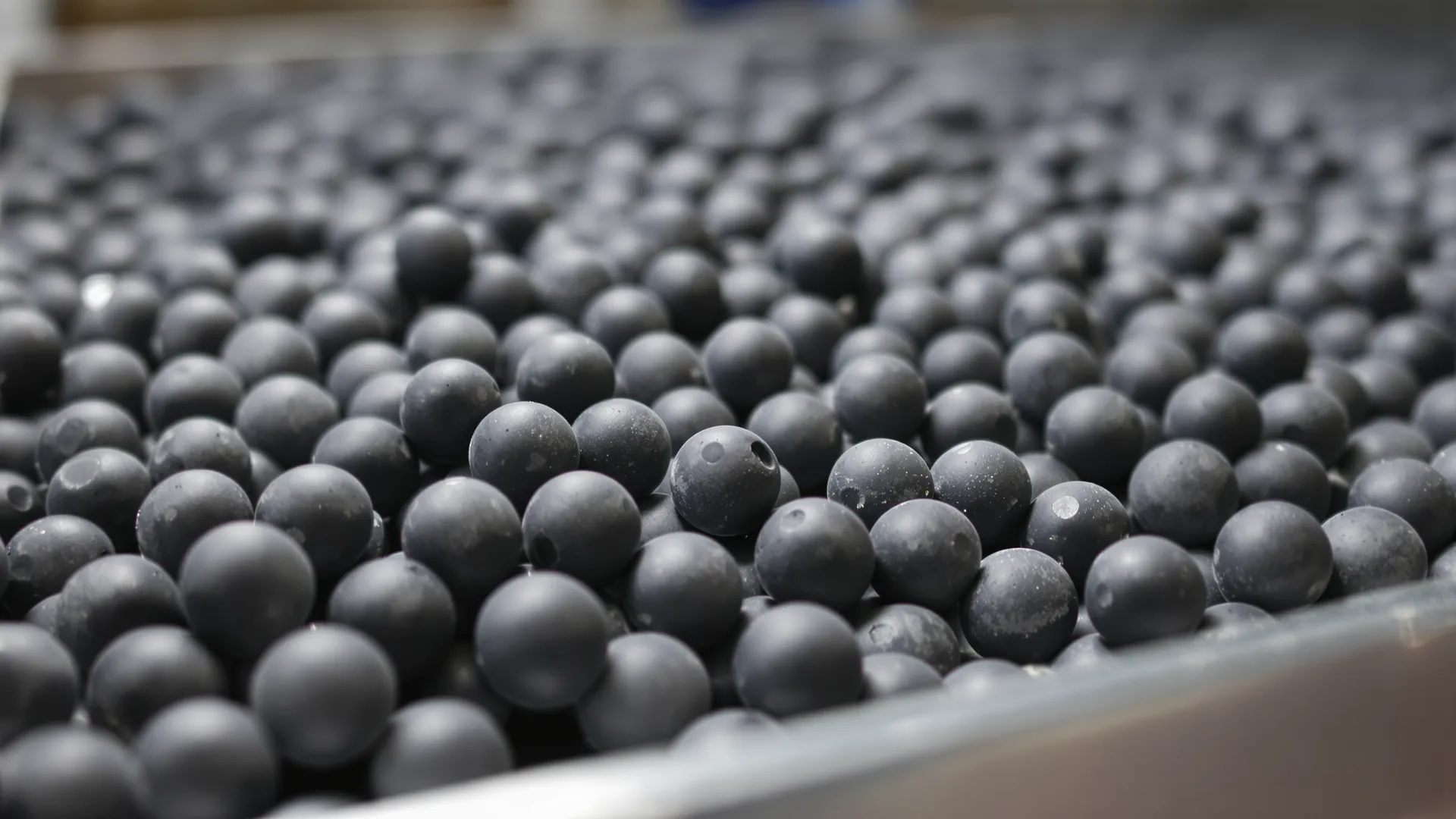
This is the fuel: a graphite ball about the size of a golf ball.
Inside, thousands of TRISO particles sit in a band just under the surface.
Each particle is smaller than a poppy seed.
And each one wraps its uranium kernel in layers of carbon and silicon carbide, a containment that outlasts the radioactivity.
It's called TRISO. Two decades of U.S. Department of Energy investment went into developing and testing it, and reactor makers across the industry now use it. Every pebble holds thousands of tiny specks of uranium, each sealed inside its own layered shell.

Founders
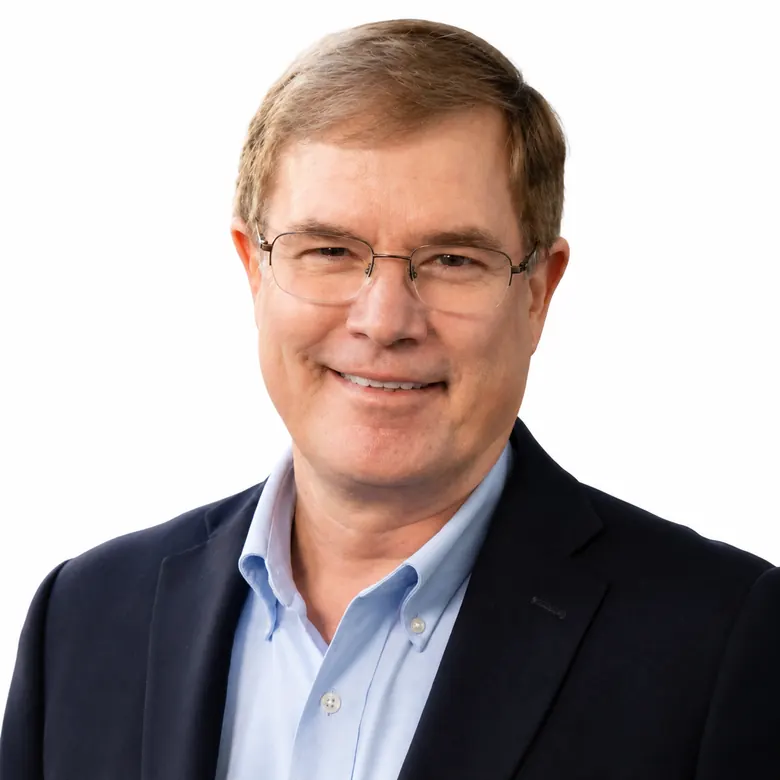
Founder, President & CEO
Co-founder and former Chief Nuclear Officer of a leading US advanced-reactor company. UC Berkeley Professor of Nuclear Engineering for 35 years. Member, National Academy of Engineering. Commissioner, Blue Ribbon Commission on America's Nuclear Future.
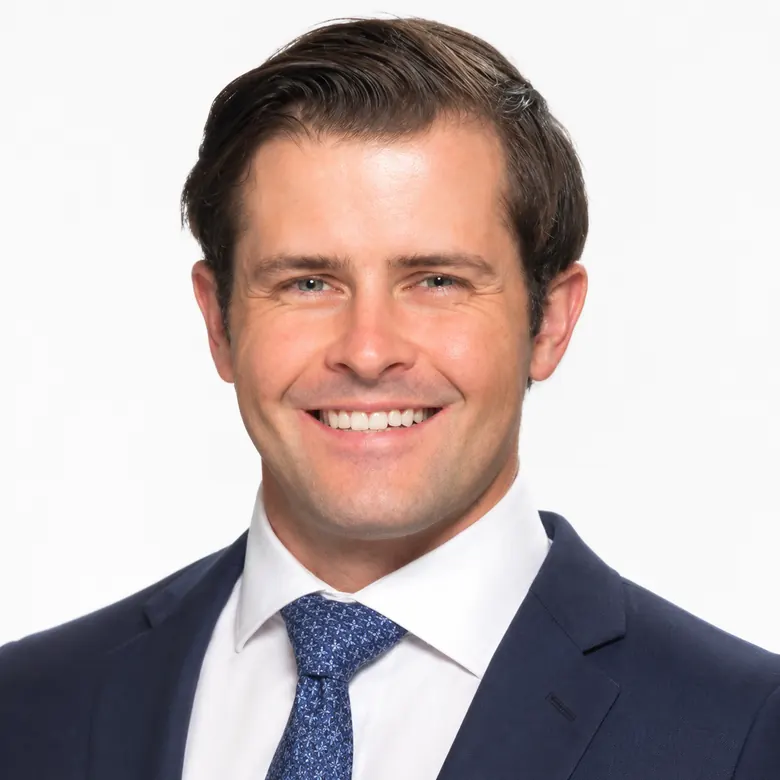
Co-founder & COO
Ex-BCG with a focus across energy, industrial goods, and defense. Decorated Special Forces Green Beret with five deployments across six countries. MBA from The University of Chicago Booth School of Business.
Advisors
Maritime nuclear
Jan Emblemsvåg
Professor at NTNU; leads Europe's nuclear-shipping research consortium; former SVP Ship Design, Rolls-Royce Marine
National security
Pranay Vaddi
Former White House Senior Director for Arms Control and Nonproliferation
Working with


Latest